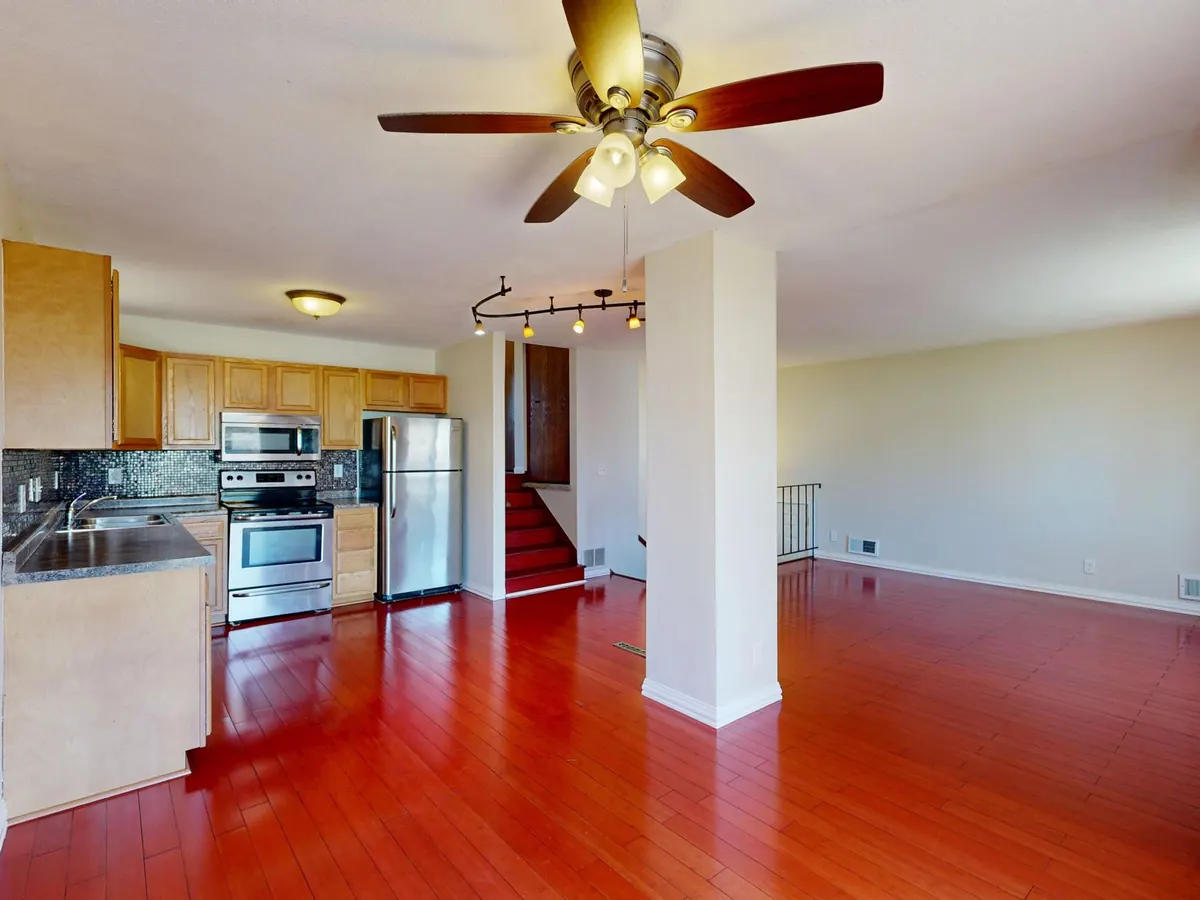
You can sell a house without an agent. Plenty of owners do, and some pocket a meaningful amount by doing it. You can also hire an agent and come out ahead of what you would have netted alone, because the house sold faster or for a stronger price. Both outcomes are real. The right question is not which route is better in theory, but which one fits the time you have and the money you are willing to spend getting to closing.
What Each Route Actually Looks Like
An agent-assisted sale means handing over pricing, photography, listing distribution, showing coordination, buyer screening, negotiation, and most of the contract paperwork. You still declutter, still make decisions, and still approve the final terms, but the daily logistics move off your plate.
A for-sale-by-owner (FSBO) sale means you are the listing agent, whether you call yourself that or not. Expect to research comparable sales, set a price, arrange photos, write the listing description, field calls and texts, schedule showings around your job, qualify strangers who walk through your home, negotiate, and chase deadlines. Some sellers hire help for specific pieces — a flat-fee MLS listing service, a photographer, a stager, a real estate attorney — and handle the rest themselves.
The Money Question: Costs and Net Proceeds
The headline number people compare is commission. On a $450,000 sale, the difference between paying a listing commission and paying nothing looks enormous. That comparison is misleading, because the FSBO column is not empty.
Costs that show up in both columns:
- Title search, title insurance, escrow or closing fees, and recording charges
- Transfer taxes and any local fees your municipality collects at closing
- Repairs and credits negotiated after the inspection
- Carrying costs — mortgage, taxes, insurance, utilities — for every extra month the house sits
Costs that land mostly in the FSBO column:
- Professional photography and, often, a floor plan
- Flat-fee MLS entry or a similar listing service, if you want broad exposure
- Buyer-agent compensation, if you choose to offer it. In many markets, buyers' agents expect to be paid and will steer clients toward listings that offer it. Rules and local norms have shifted in recent years, so confirm how it works in your area before you decide.
- An attorney or closing agent to review contracts, plus a la carte help if you bring in a negotiator or transaction coordinator
- Your own time, which is not free even when it never appears on a settlement statement
The useful exercise is to build two net sheets before you commit. Start with the sale price you realistically expect, subtract commissions and fees, subtract repairs and credits, then subtract carrying costs for the estimated days on market. The gap between the two bottom lines is usually smaller than the commission alone suggests, and sometimes it flips entirely.
Marketing Reach and Buyer Traffic
Agents bring three things to exposure: the multiple listing service, which syndicates to the major consumer sites; a network of buyer agents who watch new listings daily; and a database of past clients and inquiries. That third one is easy to underestimate. A well-connected agent may already know a buyer before the sign goes up.
FSBO exposure typically starts with a yard sign, online classifieds, social posts, and neighbors. If you also pay for MLS entry, you get most of the syndication benefit, though some agents and buyers filter those listings differently. Wherever you list, do these things:
- Shoot photos in daylight with the lights on and the counters clear. Dim phone photos cost more than a photographer does.
- Write a description with specifics — square footage, lot size, roof and HVAC age, updates with years, commute details — instead of adjectives.
- Use a dedicated phone number or email so inquiries do not get buried in your personal inbox.
- Answer every inquiry within a few hours. Slow replies read as a seller who will be hard to work with.
Negotiation: Where Deals Are Won and Lost
Price gets the attention, but terms decide outcomes: closing date, financing type, inspection contingencies, appraisal language, repairs, and who pays which closing costs. A modest price concession with a flexible closing date can beat a higher offer that collapses in week three.
Sellers who go it alone tend to make two mistakes. First, they respond emotionally when a buyer criticizes the house. Second, they negotiate in the driveway, live, with no time to think. A better approach: ask for every offer in writing, tell the buyer when you will respond, and prepare three numbers in advance — your target, your realistic floor, and your walk-away point. Agents earn part of their fee by absorbing that tension and keeping the conversation on terms rather than feelings.
Paperwork, Disclosure, and Timeline Risk
Every state has its own purchase contract, disclosure forms, and deadlines, and they change. Miss a disclosure deadline or an inspection response window and you can hand the buyer an exit or expose yourself to a claim later. This is where DIY sellers most often underestimate the risk — not because the forms are impossible, but because the timing is unforgiving.
Whatever route you choose, have a real estate attorney review your contract if your state does not require one at closing, and confirm which disclosures your state mandates. On money matters — capital gains treatment, whether your sale is taxable, how proceeds affect your next purchase — talk to a tax professional. This is general guidance, not legal or tax advice for your situation.
Matching the Route to Your Timeline
Choose an agent if you need to sell on a schedule
A job relocation, a divorce, an estate sale, or a contingent purchase with a deadline all point the same way. You need predictable traffic, someone answering calls at nine at night, and a professional pushing paperwork to the finish line while you handle everything else.
Choose FSBO if you have time, local knowledge, and a simple property
A house in a neighborhood where similar homes sell quickly, a seller who works from home or is retired, and a comfort level with contracts can make going it alone work well. You keep the equity you do not spend on commission, and you control the process from pricing to possession.
Or split the difference
A hybrid is often the smartest middle path: pay for MLS entry and photography, hire an attorney or transaction coordinator for the contract phase, and handle showings and negotiation yourself. You get the exposure without the full commission.
A Practical Way to Decide
Interview two agents before you decide anything, even if you lean toward selling alone. Ask each for a pricing opinion, a marketing plan, and a written net proceeds estimate. You are not obligated to hire them, and the pricing opinions are useful data either way. Then:
- Build your own net sheet for both routes using the numbers you collected.
- Set a checkpoint. If you go FSBO, give it two to three weeks. Count showings and written offers, not compliments.
- If traffic is thin or you dread the next phone call, list with an agent. If activity is strong and you have a clear head, keep going.
- Keep a written log of every showing, inquiry, and offer. It tells you when to adjust price and when to change strategy.
Neither route is a moral position. It is a decision about who does the work, who absorbs the risk, and what that work is worth to you.
Photo: Alexas_Fotos / Pixabay