A cottage buyer walks in already imagining the weekend. Coffee on the porch, a fire in October, kids off the dock by nine. Your job isn't to furnish that fantasy. It's to leave just enough of it on display that they finish the picture themselves. That means less decorating and more editing, and it's easier than it sounds when you work room by room.
Start at the Road, Not the Front Door
Buyers form an opinion before they reach your steps, from the driveway, the mailbox, the first glimpse of the water. Walk your own entry sequence with fresh eyes.
Rake the gravel, pull weeds from the drive edges, and cut back anything that brushes a car door. Make the house number visible from the road, and add solar path lights for evening showings. Sweep the steps and porch, clear cobwebs from corners and light fixtures, and wash the windows inside and out. Cottage glass collects pollen and spider webs faster than anyone expects.
Then deal with the equipment. A tarped boat, a trailer, three kayaks stacked by the shed, and a dock box spilling life jackets all read as work to a buyer. Store what you can, and leave one canoe or a pair of well-kept chairs to suggest how the property gets used.
Edit the Character, Don't Erase It
Cottages sell on feeling, so don't strip out the warmth along with the clutter. Keep the charm, remove the noise.
Pack away family photos, personal papers, and collections that only mean something to you. If the decor is heavily themed, keep three pieces that say "lake" and store the other twenty. The same goes for taxidermy and inherited furniture: when in doubt, put it in storage.
Take out more furniture than feels comfortable. A room that's slightly bare photographs as spacious; a room packed to the walls photographs as small. In the living room, angle chairs toward each other and the view, leave two or three cushions on the sofa rather than seven, and fold one throw instead of draping five.
Warm Up the Rooms Buyers Linger In
Living room and great room
If there's a wood stove or fireplace, clean the glass, empty the ash pan, and set a small, tidy fire for showings, or stack a few split pieces of birch ready to go. Dust the mantel and the ceiling fan, wash cushion covers, and roll up worn or faded rugs. If the sofa is threadbare, a neutral slipcover is a cheap fix that reads well on camera.
Kitchen and dining
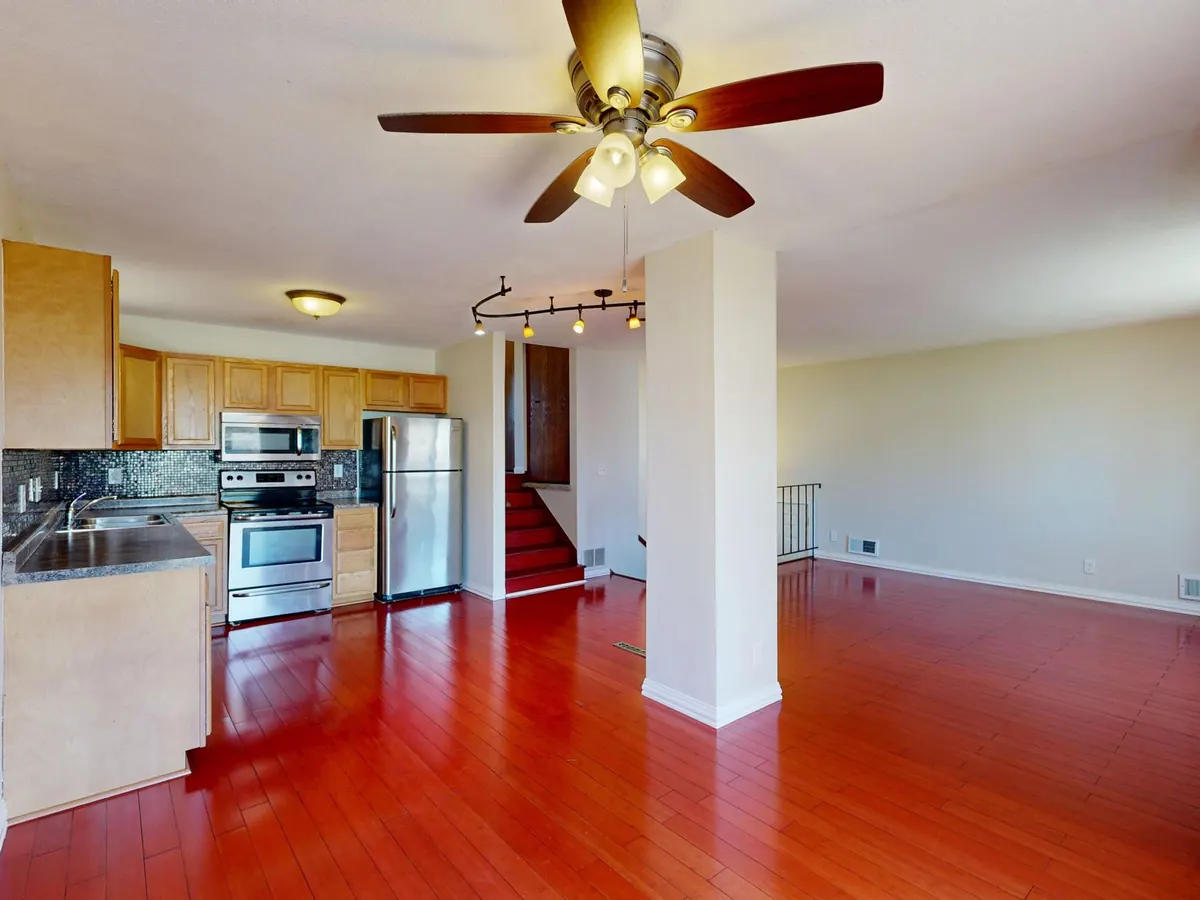
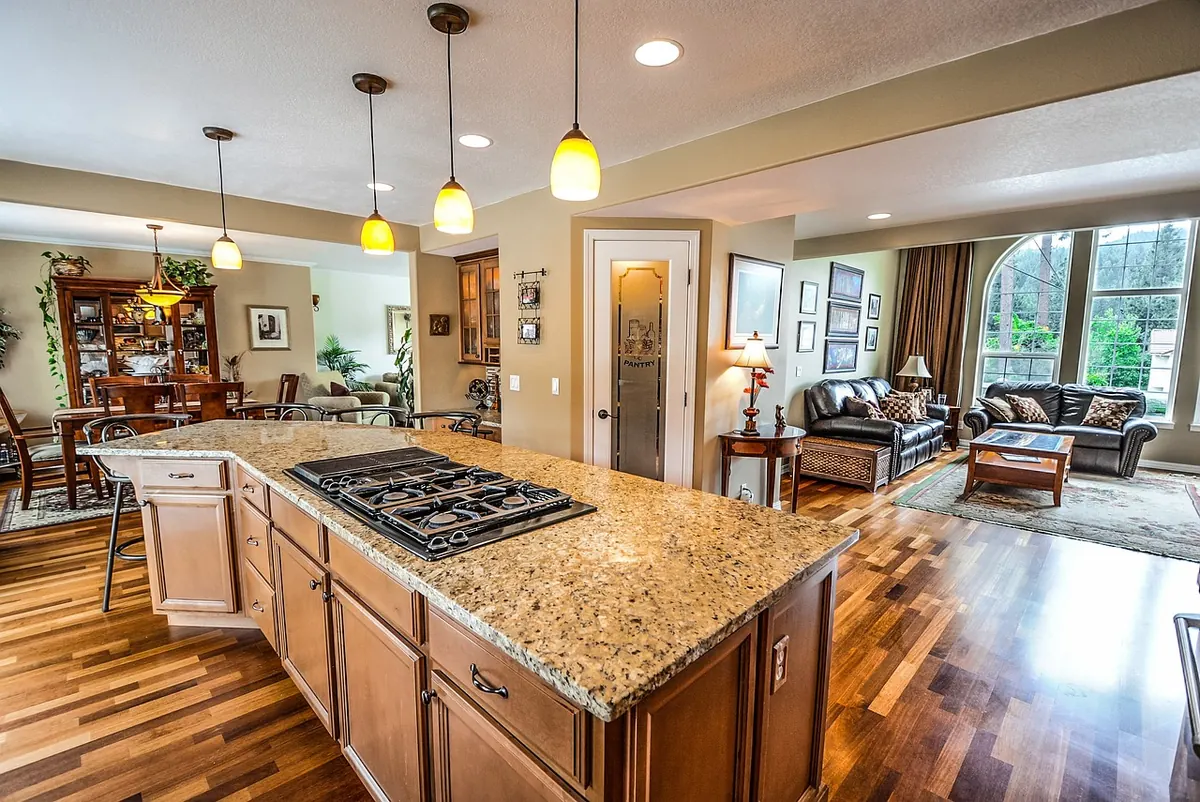
Cottage kitchens are often small and dated, and you can't rebuild one before listing. You can make it look cared for. Clear the counters down to one deliberate vignette: a bowl of lemons, a kettle, a cutting board. Empty the fridge door of magnets, schedules, and drawings, and toss expired condiments. Wipe the cabinet fronts, tighten loose handles, and scrub the sink. Put the dish rack, sponges, and soap bottle under the counter before anyone arrives.
At the table, use a plain cloth or bare wood, set two or three chairs as if someone is about to sit down, and remove the extra leaf if the room feels tight.
Bedrooms and Bathrooms: Quiet, Clean, Breezy
Neutral bedding sells. White or soft grey sheets, a single quilt, two pillows per person, no novelty prints. Clear bedside tables to a lamp and one book, dust the fan blades, and push storage bins under the bed or out to the car. In closets, leave plenty of empty space and hang clothes on matching hangers so a buyer can see the depth.
Bathrooms matter more than cottage owners expect, and damp is usually the reason. Scrub grout, recaulk around tubs and sinks, replace stained shower liners, and run a dehumidifier before showings. Hang fresh white towels, folded rather than rumpled. Put toothbrushes, medications, and personal products in a drawer or a bag you can carry out. If the water has a sulphur smell, tell your agent early. Buyers notice, and a plan for handling it beats a surprise at inspection.
The Pre-Showing Sweep
Keep this list on the fridge and run it before every appointment:
- Entry: swept steps, cleared cobwebs, visible house number, path lights working.
- Porch and deck: chairs wiped, cushions stored dry, grill covered, ashtrays and dog bowls gone.
- Living areas: lamps on, TV off, cushions plumped, blankets folded, floors vacuumed.
- Kitchen: counters clear, sink empty, bins emptied, fridge door bare.
- Bathrooms: lid down, towels straight, personal items bagged and removed.
- Bedrooms: beds made tight, lights on, laundry gone.
- Outside: cars moved, garbage and recycling out of sight, hose coiled, dock and shoreline tidied.
Get Every Room Photo-Ready
Most buyers see your cottage online first, and photos are unforgiving. Shoot in the middle of the day when the light is even, or late afternoon if your rooms face the water and that glow is the selling point. Open curtains and blinds, turn on every lamp, and switch off ceiling lights that cast a yellow glare.
Before the photographer arrives, remove anything that reads as daily life: garbage bins, recycling, garden hoses, laundry racks, pet beds, and cars in the drive. Check the details a lens catches and the eye misses, like water spots on mirrors, fingerprints on glass doors, crooked pictures, and dead leaves on the deck. Shoot the dock and shoreline too, with a canoe pulled up or chairs set at the end, but no people in frame. If your water access is seasonal, time the listing around the season you want photographed.
Staging Is Editing, and It Ends
You don't have to live in a showpiece for the next two months. Keep a laundry basket by the door and sweep stray items into it before each showing, then store your packed boxes in a car trunk or a neighbour's garage rather than a closet buyers will open. Ask a blunt friend to walk through and tell you what smells, what's crooked, and what looks tired.
Cottage sales often raise questions about wells, septic systems, shoreline rules, and permits. Your agent and a local lawyer can tell you what applies to your property, so raise those early rather than at the offer stage. Get the rooms right, and buyers will spend their walkthrough imagining their own first weekend there, which is exactly what you want them to do.
Photo: user32212 / Pixabay