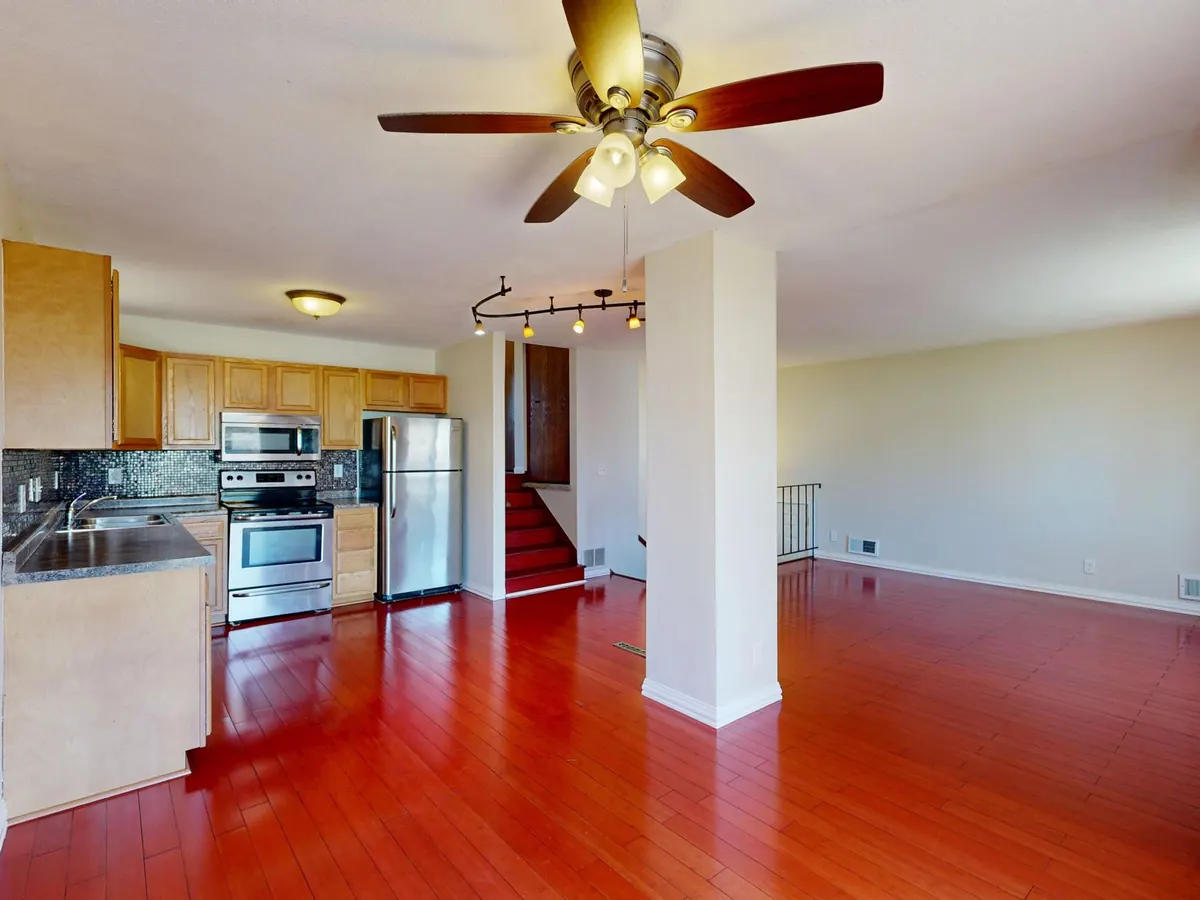
Ask five homeowners when to list and you'll get five confident answers. A neighbour swears by the first warm weekend in April. A cousin insists nobody buys a house between Thanksgiving and New Year. Both are partly right, and neither says much about your property. Timing isn't a single date circled on a calendar — it's a match between your house, the buyers most likely to want it, and the rhythm of your local market. Here's how the seasons actually shape demand, and how to pick a launch window you can work with.
What Changes With the Seasons
Four things shift through the year, and only one of them is about weather.
The size of the buyer pool. More people house-hunt in late spring than in late December. That's routine, not a rule of physics. A larger pool means more showings and more chances of competing offers — and also more competition from other sellers.
Buyer motivation. Off-peak buyers are often shopping with a deadline: a job relocation, a lease ending, a growing family, a divorce, an inheritance. Fewer of them are browsing. That focus can be worth more than a crowded open house.
Inventory. When everyone lists at once, your home competes with a dozen similar ones in the same school district. List when listings are thin and a well-prepared house gets noticed.
Logistics. School calendars, holidays, heat waves, snow and shorter daylight hours affect how easily people can view your home — and how good it looks in photos.
Price and condition still decide whether you sell. Timing decides how many people see it while it's fresh.
Spring: The Biggest Audience, the Most Company
Spring brings the deepest pool of buyers in most markets. Families want to move before the next school year, gardens look their best, and daylight lingers long enough for evening showings. Photography is easier, and open houses draw actual traffic instead of a lonely chair in the hallway.
The trade-off is competition. Your listing sits alongside every other house on the street, many of them freshly painted and staged. Spring rewards sellers who arrive ready rather than sellers who list to "see what happens." If you're launching in March or April, finish repairs first, get your paperwork in order, and have a pricing conversation before the sign goes up — not three weeks after.
Summer: A Thinner Crowd, Often a Serious One
Early summer behaves like an extension of spring. By mid-July, in many markets, traffic softens: holidays, vacations and heat keep casual buyers home. The people still walking through your door are usually there for a reason.
Summer suits certain properties particularly well. Homes in vacation areas, second-home markets and neighbourhoods that appeal to buyers without school-age children can peak in July and August. In hot climates, schedule showings early in the morning or after dinner, keep the house genuinely cool, and make sure the garden is watered rather than crisped. If your market runs on school calendars, aim to be under contract by early summer so a family can close before term starts.
Autumn: The Window Many Sellers Overlook
September and October often deliver a useful combination: motivated buyers and fewer listings. Relocations pick up after summer, leases turn over, and plenty of people want to be settled before winter. Autumn light is flattering for photographs, and a tidy garden with a few leaves swept up reads as cared-for rather than neglected.
The risk sits at the far end of the season. Once November arrives, calendars fill, and a house that sat unsold through October starts to look tired to buyers who've seen it before. If autumn is your window, launch by mid-September and treat the first three weeks as the ones that count.
Winter: Quiet, Cold, and Sometimes Ideal
The last two weeks of December are slow almost everywhere. January is a different story. Inventory is often at its thinnest, and the buyers out in boots and raincoats tend to be serious — often relocating for work or working to a lease deadline. A well-presented home can stand out simply because there's less to compare it with.
Presentation carries extra weight in winter. Clear paths and driveways, deal with mud and wet floors at the entrance, and turn on every lamp before a viewing. Dark afternoons punish dim rooms. Winter also isn't winter everywhere: in warm-weather markets, the cooler months are often peak season, with seasonal residents arriving and outdoor living at its most comfortable.
Read Your Own Market, Not Just the Calendar
National and even city-level trends can mislead you. What matters is your price band, your neighbourhood and your type of home. Before you choose a date, check:
- How many comparable homes are listed right now, and how long they've been on the market.
- Whether similar properties are selling quickly, sitting, or reducing their prices.
- What local employers, universities, hospitals or military bases are doing — their calendars create buyer waves.
- How your specific floor plan, lot or building appeals to the buyers active in that season.
A local agent can pull current competition and days-on-market figures for your street, which is far more useful than a general "best month to sell" list. Every market has its own weather, its own school calendars and its own quirks.
A Simple Launch Plan
- Eight weeks out: decide your window, interview agents, talk through pricing and estimated net proceeds with a professional.
- Six weeks out: handle repairs, painting, decluttering and any pre-listing inspection you want.
- Four weeks out: arrange photography, staging and paperwork; refresh kerb appeal.
- Two weeks out: deep clean, finish landscaping, test every light and lock.
- Launch: go live early in the week — Tuesday to Thursday works well — and avoid holiday weekends.
- First two weeks: keep your schedule flexible, gather feedback, review offers as they come.
- Week three onward: if interest is thin, revisit price and presentation before blaming the season.
Making the Call
There's no universally best month to sell. The strongest launch window is the one where your home is genuinely ready, priced sensibly, and sitting in front of an active local buyer pool. Waiting months for a "perfect" season while your property sits half-prepared usually costs more than listing a well-presented home in a quieter month. Choose the window that fits your house and your circumstances, then commit to it properly. And since rules, taxes and market conditions vary by location, check current local data and speak with a licensed agent or financial adviser before you settle on a timeline.
Photo: donwhite84 / Pixabay